Paranormal books have a special grip on readers. They don’t rush to scare you. They wait. They let doubt creep in. They make ordinary places feel slightly off and familiar people suddenly questionable. That slow, unsettling pull is exactly why paranormal books continue to attract loyal readers across generations.
Unlike pure horror, paranormal books thrive on uncertainty. They sit in the space between belief and disbelief. Is something truly supernatural happening, or is there a human explanation hiding just out of sight? That unanswered question is what keeps readers turning pages late into the night.
Why Paranormal Books Still Work
Paranormal stories work because they reflect real human experiences. Almost everyone has heard a story they couldn’t quite explain, felt watched in an empty room, or questioned whether coincidence really was just coincidence. Paranormal books give shape to those thoughts without demanding belief.
The best paranormal books don’t rely on loud scares. Instead, they focus on atmosphere, tension, and psychological pressure. They respect the reader’s intelligence by letting fear build naturally rather than spelling everything out.
This genre also allows writers to explore deeper themes—loss, guilt, faith, fear, and identity—without feeling heavy-handed. The supernatural becomes a lens through which very human emotions are examined.
What Makes Paranormal Books Hard to Put Down
Strong paranormal books share a few defining traits.
First, they take their time. They introduce strange elements slowly, allowing readers to question what they’re seeing. Small details—a recurring sound, an unexplained habit, a familiar place behaving oddly—often matter more than dramatic reveals.
Second, they focus on characters. Readers don’t stay hooked because of ghosts alone; they stay because they care about the people experiencing those events. When a character feels real, every unexplained moment carries weight.
Finally, the best paranormal books don’t tie everything up neatly. They leave room for interpretation. That lingering uncertainty is often what makes a story memorable long after the final page.
The Importance of Setting in Paranormal Books
Setting plays a crucial role in paranormal storytelling. Familiar environments turned unsettling are far more effective than exotic ones. Schools, homes, small towns, and workplaces feel safe in real life, which makes their transformation unsettling.
When paranormal events happen in places we recognize, the fear feels closer. Readers imagine themselves there. They ask what they would do differently—or whether they would notice the warning signs at all.
This is why so many successful paranormal books are grounded in everyday life before gradually shifting into the unexplained.
Paranormal Books for Younger Readers
Paranormal books aimed at children and young adults deserve serious attention. These stories often deal with growing up, self-discovery, and feeling different. The supernatural elements amplify emotions young readers already experience.
Rather than overwhelming readers with fear, these books often use mystery and wonder to encourage curiosity and critical thinking. They ask readers to question what they see and to think about right and wrong, courage and responsibility.
When written well, paranormal books for younger audiences become stepping stones toward deeper reading while still offering entertainment and meaning.
A Thoughtful Alternative: Aesop’s Fables Retold
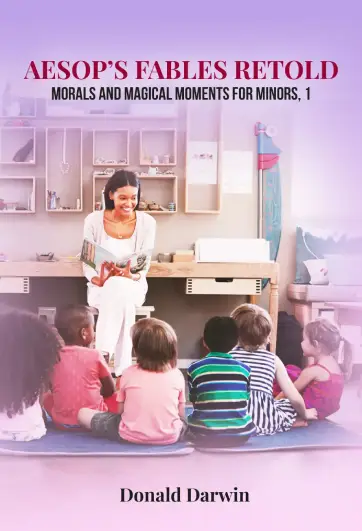
While not a traditional paranormal title, Aesop’s Fables Retold by Donald Darwin fits naturally into discussions about stories that challenge perception and encourage reflection. This updated collection presents timeless fables in a way that feels accessible and relevant for modern readers. Each story is introduced with a quotation that frames the lesson, followed by expanded moral reflections that encourage discussion rather than simple acceptance. What makes this book valuable is its focus on interpretation—inviting children and adults to think about meaning, choices, and consequences. Like the best paranormal books, it doesn’t just tell a story; it asks the reader to pause, reflect, and question. That shared space between storytelling and understanding is what gives the book lasting value.
🔗 Available on Amazon: https://www.amazon.co.uk/dp/1805585517/
Why Readers Keep Returning to Paranormal Books
Paranormal books remain popular because curiosity never fades. No matter how much the world explains, there will always be moments that feel unexplained. Paranormal fiction gives readers a safe way to explore those moments.
These stories don’t require belief. They invite imagination. Readers can suspend disbelief just long enough to consider new possibilities, then return to reality with fresh perspective.
Paranormal books also offer escape without disconnecting completely from real life. The situations feel possible, which makes them engaging without becoming overwhelming.
The Emotional Core of Paranormal Stories
At their best, paranormal books are emotional stories first and supernatural stories second. Fear is only one layer. Beneath it lie questions about trust, loss, courage, and personal growth.
Characters are often forced to confront things they’ve avoided—truths about themselves, their past, or the people around them. The paranormal elements push those confrontations into the open.
That emotional honesty is what makes certain paranormal books stay with readers long after the story ends.
Final Thoughts
Paranormal books succeed when they respect the reader’s intelligence and emotions. They build tension carefully, develop believable characters, and allow space for interpretation. Whether the story involves unexplained events, ancient wisdom, or moral reflection, the strongest books share one thing in common: they make readers think.
For anyone looking for stories that combine suspense, meaning, and lasting impact, paranormal books—and thoughtfully crafted storytelling in general—remain an enduring and rewarding choice.